
How to Improve Customer Retention Through Outsourced Support

Customer acquisition costs keep climbing, but the customers you already have are still your most valuable asset. A small improvement in retention can have an outsized impact on revenue, because loyal customers spend more over time and cost far less to serve than new ones you have to win from scratch. Yet retention rarely gets the same attention as acquisition — most companies invest heavily in bringing customers in the door, then leave what happens after the sale to whichever team has time.
The good news: retention is largely driven by something you can control directly — the quality and consistency of your customer support. This article breaks down practical strategies to reduce churn, and how the right outsourced support partner can help you put them into practice without adding headcount.
Why Retention Deserves More Attention
Every business talks about growth, but growth built on a leaky bucket is expensive growth. If customers are churning as fast as you're acquiring them, marketing and sales spend is just treading water. Retained customers also tend to be more profitable over time — they need less convincing, they're more forgiving of the occasional hiccup, and they're more likely to expand their usage or spending once they trust you — a dynamic that shows up especially clearly in SaaS, where retained accounts compound directly into net revenue growth.
Support is one of the biggest levers here. A customer who has a smooth, responsive experience when something goes wrong is more likely to stay than one who feels ignored — even if the underlying product issue was minor. In other words, retention isn't just a product or pricing problem. It's often a support problem.
Key Strategies to Improve Customer Retention
Respond quickly and consistently. Slow or inconsistent response times are one of the fastest ways to erode trust. Customers don't expect perfection, but they do expect to be heard promptly and to get a similar experience whether they reach out on Monday morning or Saturday night. Consistency across time zones and channels matters as much as raw speed — a fast reply followed by a confusing or contradictory one can do more damage than a slightly slower but coherent resolution.
Be proactive, not just reactive. The strongest support teams don't wait for customers to come to them with a problem. They flag potential issues — a failed payment, an unusual usage pattern, a service disruption — before the customer even notices, or reach out with a heads-up rather than leaving the customer to discover the issue on their own. This shift from reactive to proactive support signals that a company is paying attention, which builds the kind of trust that keeps customers around.
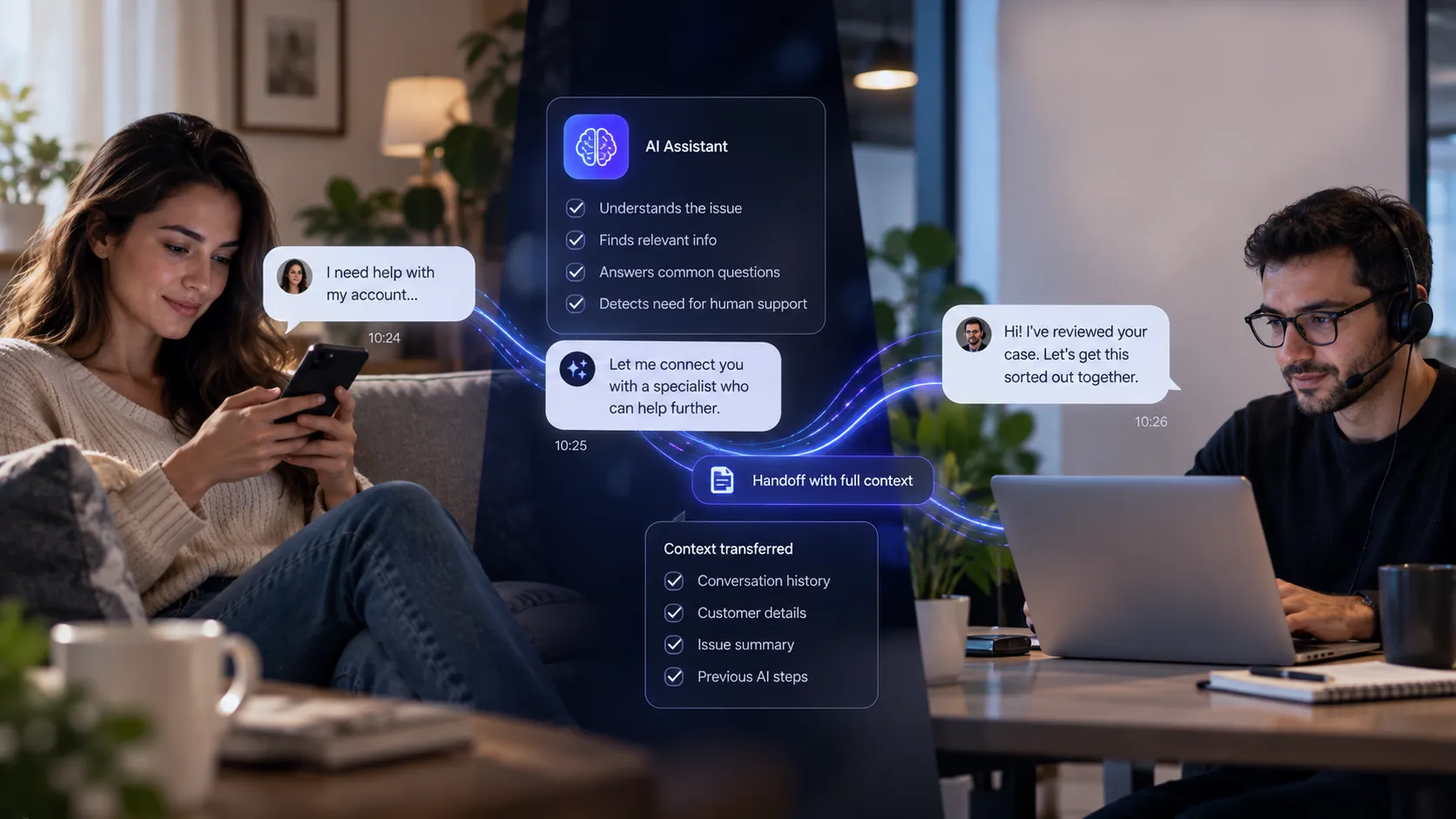
Personalize based on history. Nothing frustrates a returning customer more than having to re-explain their situation from scratch every time they contact support. Support that has context — previous tickets, account history, past preferences — feels personal rather than transactional, and it shows customers that their relationship with a company has continuity, not just a series of disconnected interactions.
Build a real feedback loop. Retention improves when customer feedback actually changes something. That means systematically collecting input from support interactions and feeding it back into product and process decisions, rather than letting it disappear into a ticketing system. Customers who see their feedback reflected in real improvements are far more likely to stick around and become advocates.
Support customers across every channel. Customers don't think in channels — they think in problems that need solving, whether that's over chat, email, phone, or social media. Fragmented support, where a customer has to repeat themselves when switching from chat to email, creates friction that adds up over time. Consistent, omnichannel support removes that friction and makes the overall experience feel effortless.
How an Outsourced Support Partner Helps With Retention
Implementing all of the above consistently is hard to do with a small in-house team, especially as a company scales across time zones, languages, and channels. This is where the right outsourcing partner makes a measurable difference.
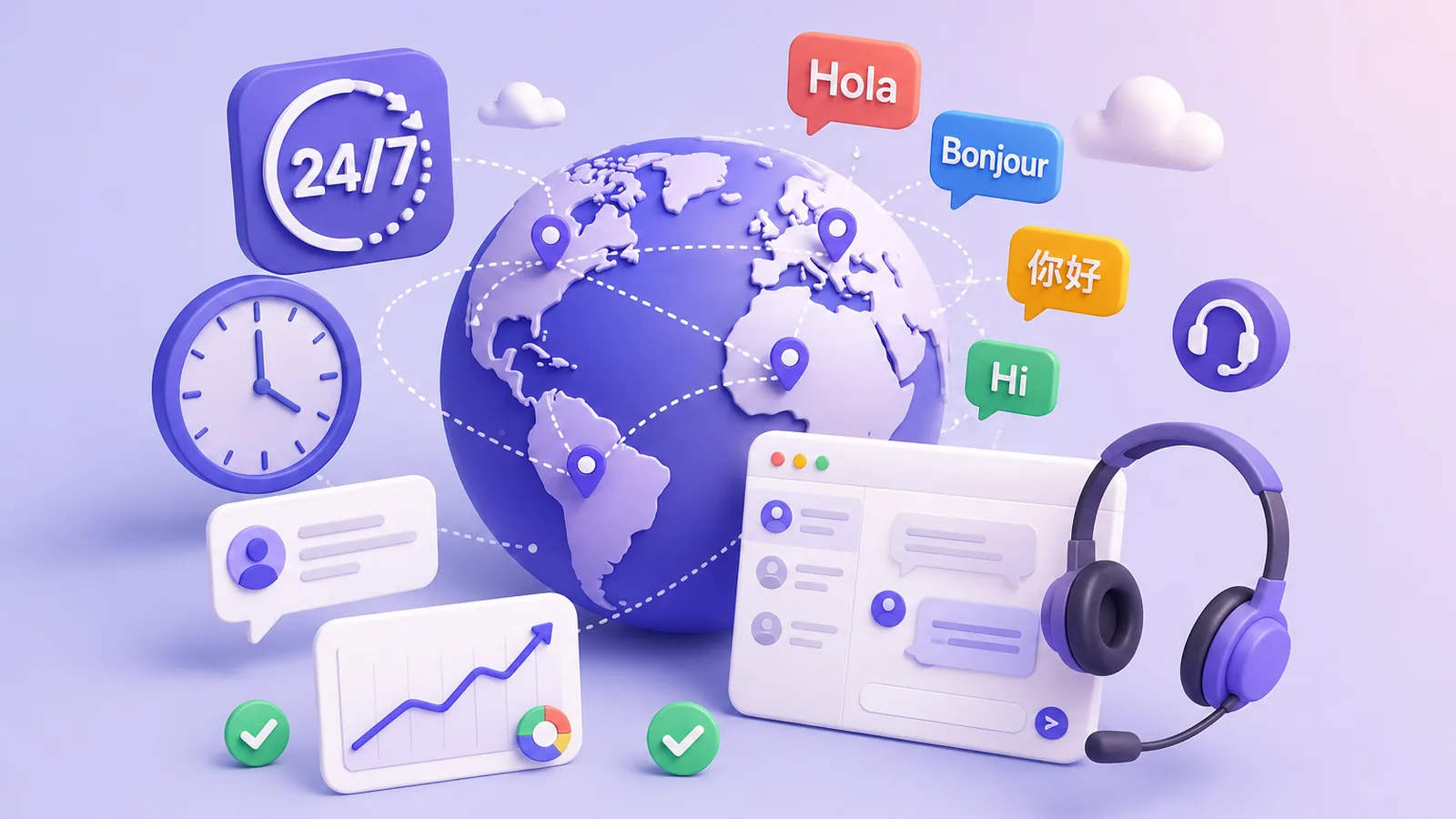
A hand-picked support team that's trained specifically on your product and processes can deliver the same consistency and proactive approach as an in-house team, but with 24/7 coverage across time zones and support in 40+ languages — without the overhead of building and managing that infrastructure yourself. Instead of stitching together multiple vendors and tools, working with a single partner that owns the full support experience means fewer handoffs, less inconsistency, and a support operation that scales with you rather than becoming a bottleneck.
How to Measure the Impact

Retention improvements should show up in a few key metrics over time: churn rate (how many customers you're losing), CSAT (how satisfied customers are with individual interactions), and repeat contact rate (how often customers have to reach out again about the same issue — a high repeat rate often signals that problems aren't being fully resolved the first time). Tracking these consistently, rather than looking at support in isolation, helps connect day-to-day support quality to the retention numbers that actually matter to the business.
The Bottom Line
Retention isn't won through a single big initiative — it's built through consistent, responsive, well-connected support delivered every day. Getting there without overextending an in-house team is exactly where a hand-picked outsourced support partner can help.
Related posts
Get insights from our team
Once a month, no spam. Operational playbooks, case studies, and CX trends.