Follow the Sun: Why 24/7, Multilingual Support Became the New Baseline for Growth
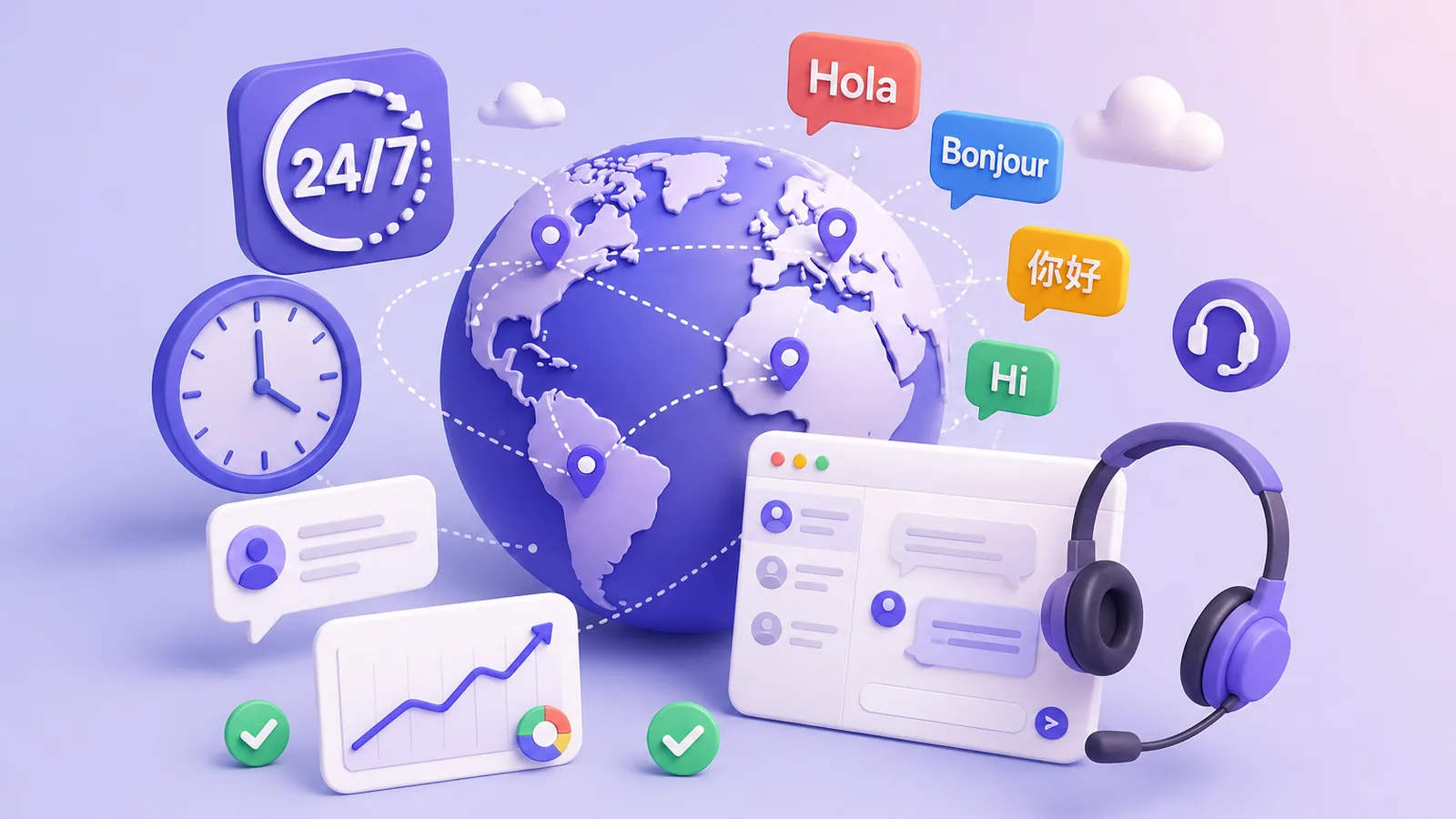
Somewhere in the world, right now, one of your customers has a problem. It's the middle of their afternoon and the middle of your night. They don't know — or care — where your headquarters is or what time your support desk closes. They just want an answer, ideally in their own language. Multiply that by every time zone and every market you sell into, and you arrive at the reality most growing companies eventually hit: the sun never sets on a global customer base, and increasingly, customers expect support that doesn't either.
"Always open" stopped being a perk
The bar has moved. Roughly 74% of consumers now expect customer service to be available 24/7, and 88% say they expect faster responses than they did just a year ago (Zendesk CX Trends 2026). In e-commerce it's even more concrete — about 52% of global shoppers expect round-the-clock support (Shopify). When help isn't there, they don't wait patiently: 67% of customers abandon a call out of frustration before ever reaching an agent.
Availability, in other words, has quietly crossed from differentiator to default. Being reachable Monday to Friday, nine to five, now means being unreachable to more than half of the world for most of the day.
The language gap is a revenue gap
Time zones are only half the story. Language is the other — and the numbers here are striking. CSA Research's long-running "Can't Read, Won't Buy" study found that 76% of consumers prefer to buy when information is in their native language, and 40% say they will never purchase in another language. Not "less likely." Never.
On the support side, the effect is just as sharp: around 75% of non-English speakers prefer help in their native language, and 63% will abandon a purchase if support isn't available in it. The preference is strongest in exactly the markets driving global growth — roughly 89% in East Asia, 84% in the Middle East, and 78% in Latin America (CSA Research). Speaking a customer's language isn't a nicety; it's the difference between a conversion and a bounce.
Why "follow the sun" beats "stay late"
The instinct, faced with global demand, is to stretch: ask your team to cover a few more hours, add a night shift, hope it holds. It rarely does. Night shifts burn people out, quality dips at 3 a.m., and one office simply can't speak every language its customers do — the average European contact center already supports 4.8 languages just to operate across borders (ContactBabel).
The better model is the one global operations have used for decades: follow the sun. Instead of one team straining to cover the clock, distributed teams across regions hand off to one another as each day begins — so there's always a fresh, awake, native-speaking agent on shift somewhere. Coverage becomes continuous and consistent, without asking anyone to sacrifice their sleep or your customers to accept a worse experience after dark.
The math of going global
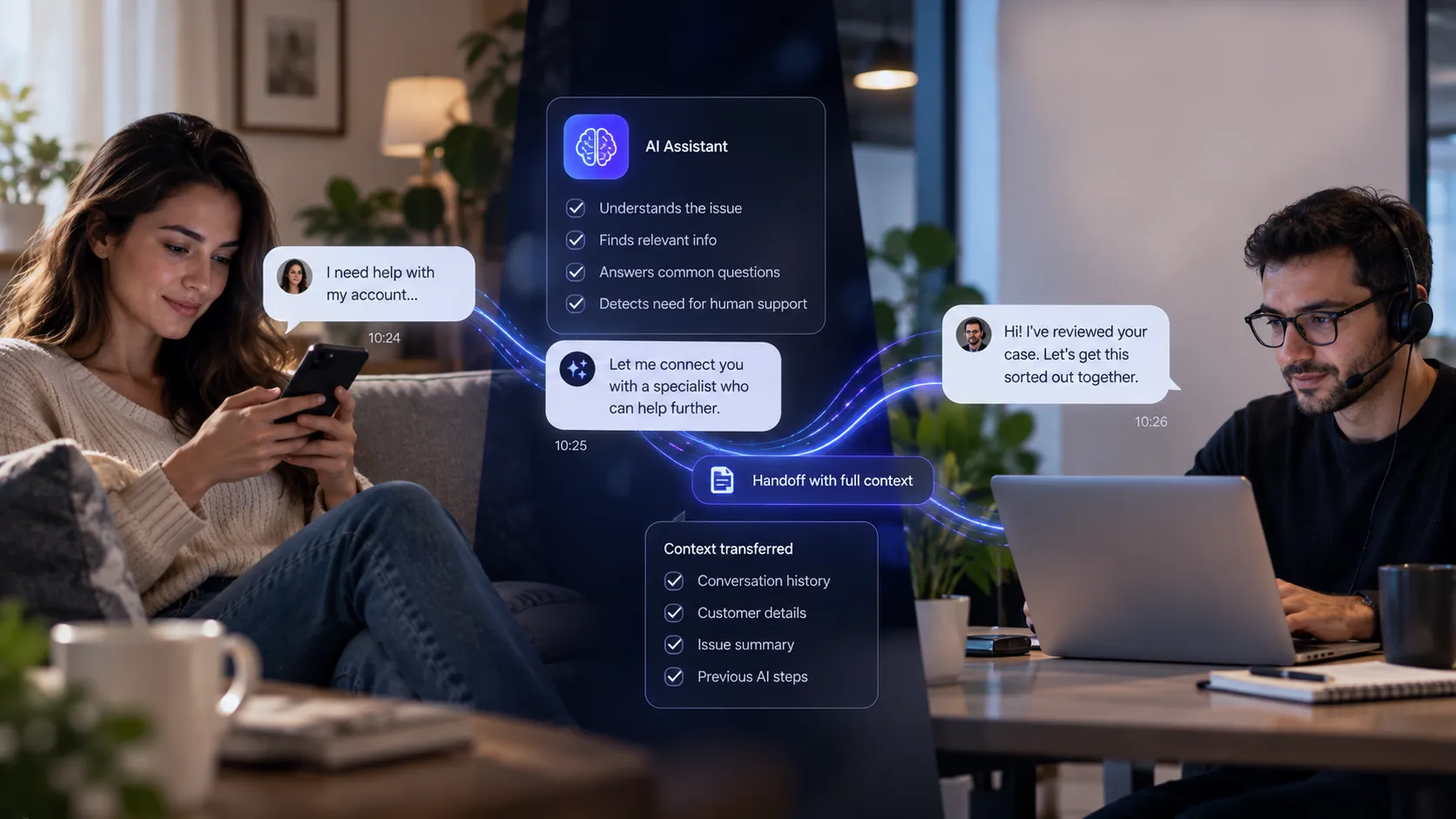
For years, this was only realistic for the largest enterprises — adding each new language meant recruiting and staffing an entire bilingual team. That equation has changed. With AI handling routine, high-volume questions and trained humans owning the complex and emotional ones — the balance we break down in Automation Meets Empathy — the cost of serving a new market has dropped dramatically, and the addressable upside is enormous. The global outsourced customer-care market grew from about $77 billion in 2024 toward a projected $113 billion by 2030 (Grand View Research) — driven largely by companies realizing that "always on, any language" is now table stakes, not a luxury.
How Evateck runs it
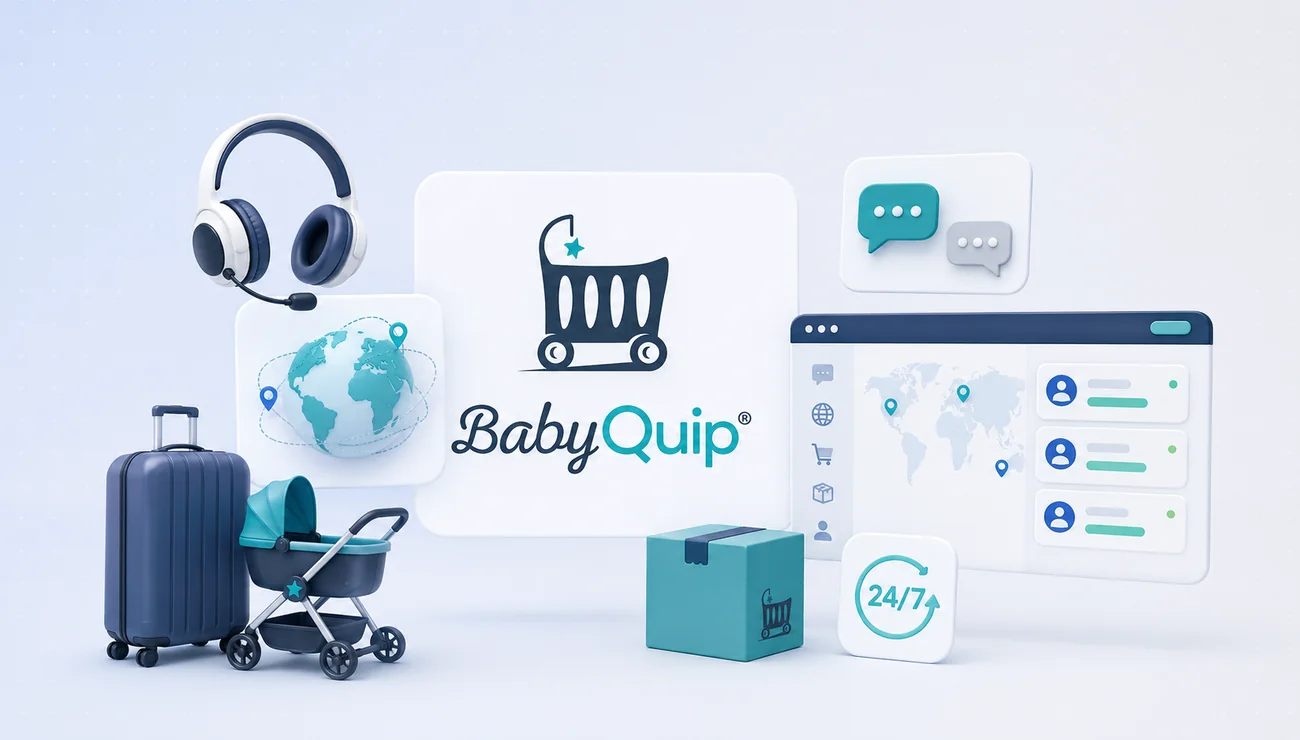
This is precisely the operation we're built to deliver. Evateck runs support 24/7/365 across 40+ languages, with distributed teams that hand off around the globe so coverage never breaks — all held to one consistent standard and one brand voice, so a customer in São Paulo, Seoul, or Stockholm gets the same experience. AI handles the routine at speed; our specialists handle the nuance with empathy; everything runs inside your tools, ISO 27001-aligned and GDPR-ready, live in under two weeks. The result: clients typically see 80% lower costs, 60% faster response times, and 33% higher CSAT. See the BabyQuip case study.
Because your customers were never going to wait for business hours, and they were never going to switch to your language. The companies that grow globally are the ones that meet them where — and when, and how — they already are. The sun doesn't set on your customers. Your support shouldn't either.
Sources: Zendesk CX Trends 2026, CSA Research ("Can't Read, Won't Buy"), Shopify, ContactBabel European Contact Centre Report, Grand View Research (2025–2026).

Get insights from our team
Once a month, no spam. Operational playbooks, case studies, and CX trends.