BPO Is More Than Cost Savings: How Business Process Outsourcing Helps Companies Scale
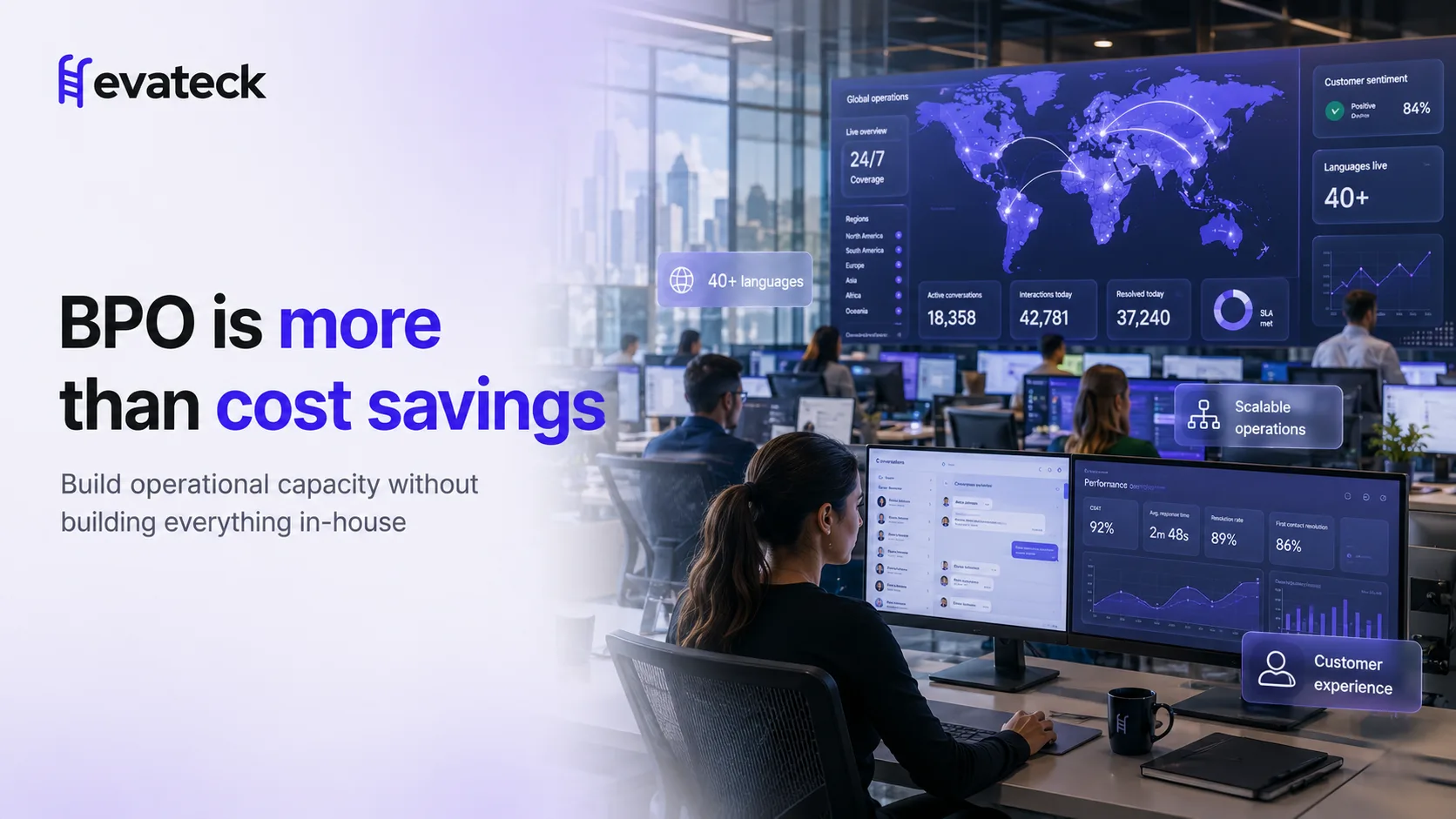
For years, Business Process Outsourcing (BPO) was primarily associated with one goal: reducing operational costs.
And cost efficiency still matters.
But today, that's only one part of the equation.
Companies are increasingly turning to BPO to build operational capacity faster, access specialized expertise, expand into new markets, and scale customer operations without constantly expanding their internal teams.
This article looks at why BPO shouldn't be judged on cost savings alone, and what to weigh alongside cost: how quickly you can build operational capacity, access to specialized expertise, AI-plus-human customer support, multilingual and 24/7 coverage, and the ability to expand into new markets without constantly growing internal teams.
What Is BPO Really About?
Business Process Outsourcing means partnering with an external provider to manage specific business processes or operational functions.
These can include customer support, back-office operations, KYC and identity verification, data processing, content moderation, multilingual support and technical support.
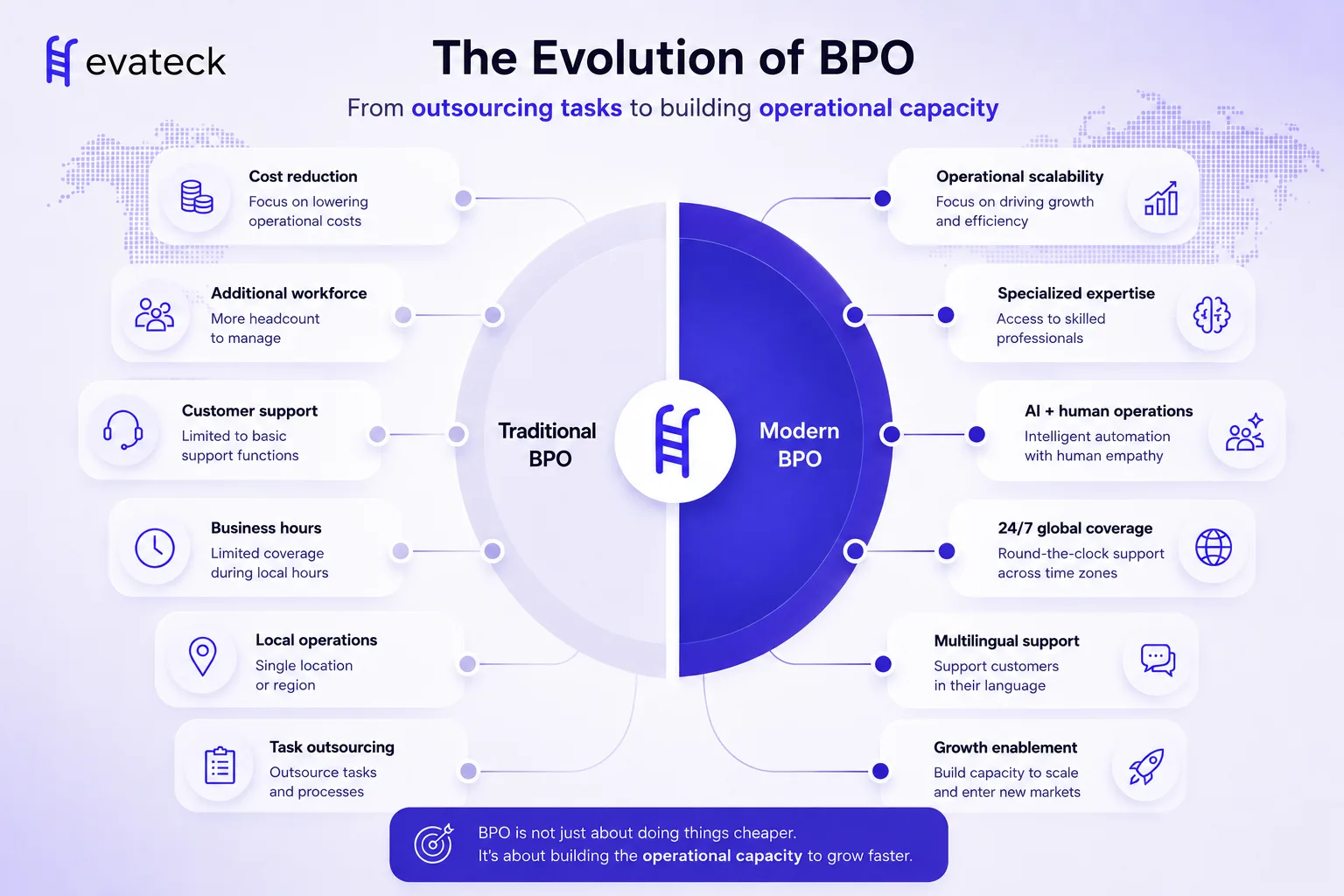
The important distinction is that modern BPO isn't simply about moving tasks to another company.
It's about creating a flexible operating model around the processes your business needs to run efficiently. For a fuller buyer's guide to the model, see What Is BPO? A Buyer's Guide to Business Process Outsourcing.
Cost Reduction Is Only the Starting Point
Reducing costs is one of the most obvious benefits of outsourcing.
An experienced BPO partner can help businesses reduce the cost of recruitment, training, infrastructure, management and day-to-day operations.
But focusing only on cost can lead to the wrong outsourcing strategy.
To see the commercial side, read about how outsourcing pricing works.
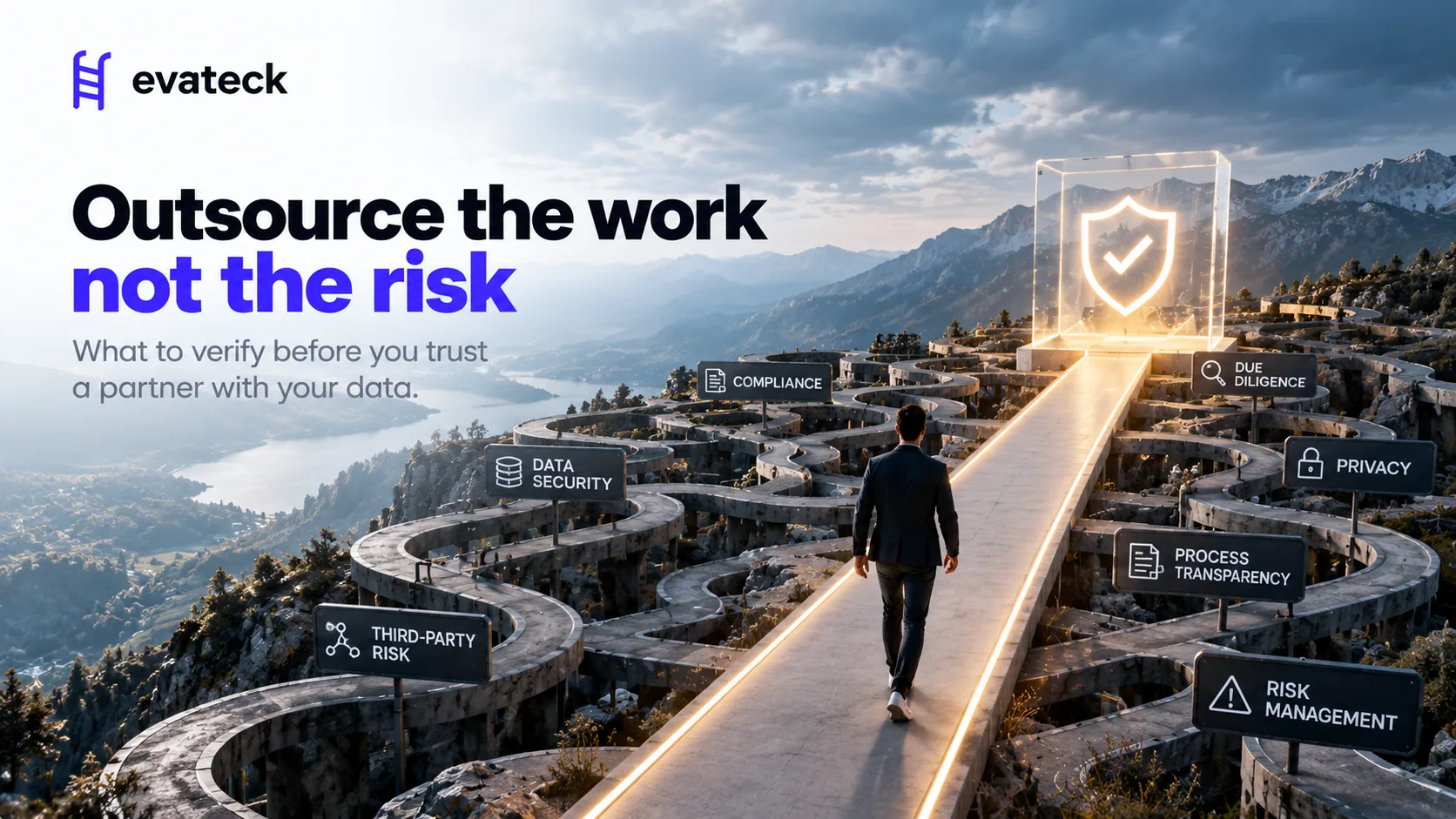
Security is another factor that cost-focused comparisons overlook — see our guide on what to verify before you trust a BPO with your data.
The better question is:
What operational capabilities can we build faster with the right BPO partner?
That changes the conversation completely.
Instead of outsourcing because something is expensive, companies can outsource because something needs to become:
- Faster
- More scalable
- More specialized
- Available 24/7
- Multilingual
- Easier to manage during periods of growth
BPO Gives Companies Access to Operational Capacity
Imagine a company entering three new international markets.
Internally, this could mean recruiting new teams, finding managers, developing training programs, setting up infrastructure and building multilingual support capabilities.
That process can take months.
A specialized BPO partner can provide much of that operational infrastructure much faster.
This is particularly valuable for businesses experiencing rapid growth, seasonal demand or international expansion.
Instead of building every capability from zero, companies can plug into an existing operational system.
That's one of the biggest shifts in modern BPO: from outsourcing tasks to building capacity.
For the real math on what building that capacity in-house actually costs, see our build vs. buy breakdown.
Customer Support Is One of the Clearest Examples
Customer support is often where businesses first experience the advantages of BPO.
As customer volumes grow, internal teams can quickly become overloaded.
Response times increase. Service quality becomes inconsistent. Hiring becomes a constant challenge.
And customers don't care whether your support team is understaffed. They simply expect an answer.
BPO can provide the additional capacity needed to maintain service levels while the internal organization focuses on product, strategy and growth.
A modern customer support outsourcing model can combine:
- AI for repetitive and high-volume interactions
- Human agents for complex, sensitive or escalated cases
- Multilingual teams for international customers
- 24/7 coverage across time zones
- Operational reporting and performance management
This creates a support operation that can scale without requiring the company to build everything internally.
The Role of AI Is Changing BPO
AI is also changing what businesses expect from outsourcing providers.
The future isn't necessarily AI versus humans.
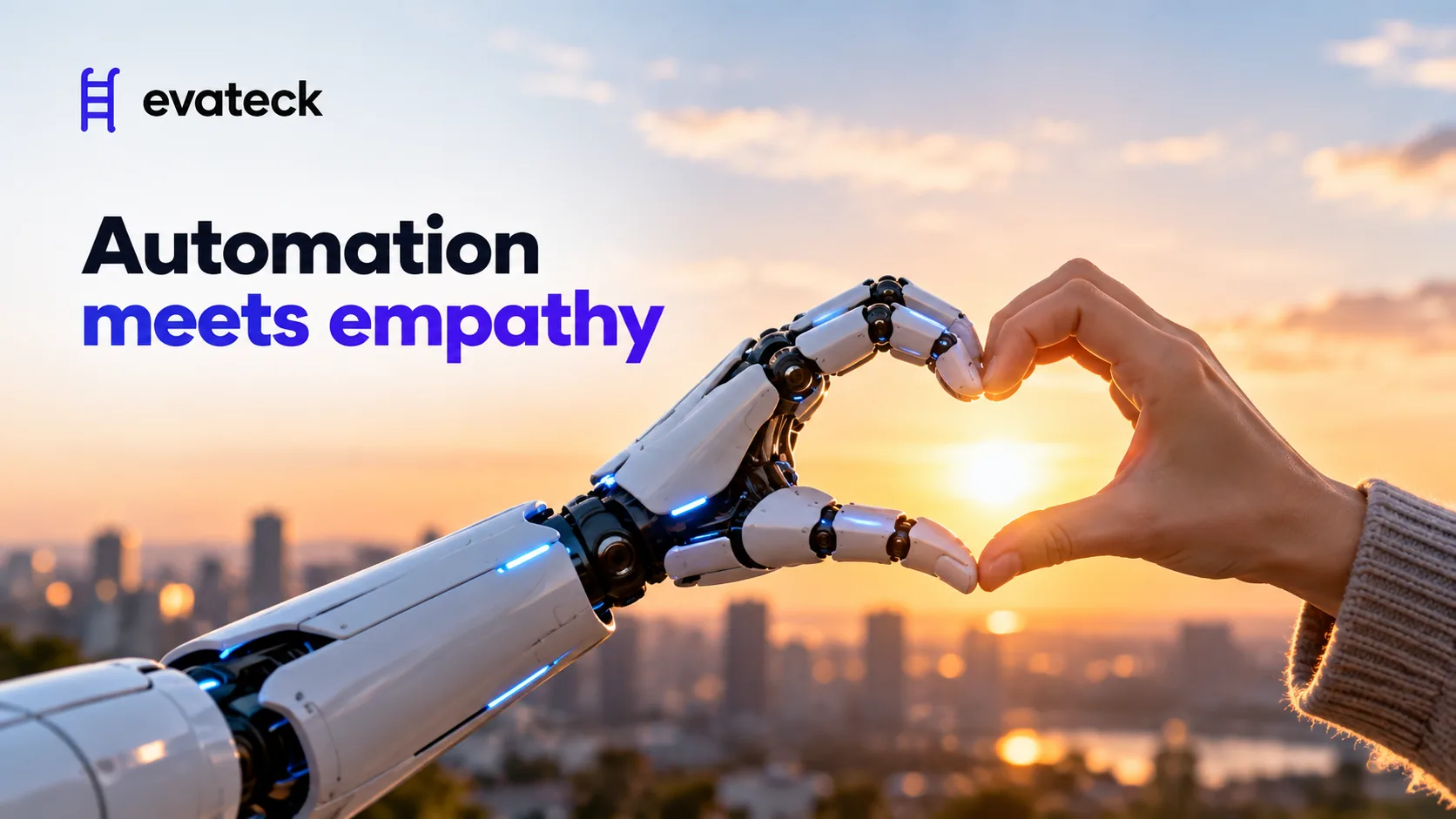
It's AI and humans working together.
AI can handle repetitive, structured requests and provide faster first responses.
Human specialists can take over when a situation requires judgment, empathy, investigation or escalation.
The BPO provider becomes responsible not only for staffing, but also for designing the operational workflow between technology and people.
That makes the BPO relationship more strategic.
BPO Can Also Accelerate International Growth
Expanding into a new market requires more than translating a website.
Customers expect support in their language.
They expect help during local business hours — and increasingly outside them.
They expect the same quality of experience regardless of where they are located.
This is where multilingual BPO becomes particularly valuable.
With the right operational structure, companies can provide support across multiple languages and time zones without creating a separate internal support organization for every market.
This shift is part of a much bigger pattern — see why 80% of businesses will rely on outsourcing by 2030.
The New BPO Question: What Can You Build Faster?
The old question was:
"How much can we save by outsourcing?"
The better question is:
"How much faster can we grow with the right operational partner?"
That shift is important.
Cost efficiency remains part of the BPO equation.
But the bigger opportunity is operational scalability.
- Launch faster
- Support more customers
- Enter new markets
- Operate 24/7
- Access specialized expertise
And do it without building every capability internally.
Building Capacity Without Building Everything In-House
At Evateck, we believe Business Process Outsourcing should be more than transferring tasks from one team to another.
It should give businesses the operational infrastructure they need to grow.
From customer operations and multilingual support to KYC, back-office processes and AI-enabled Tier 1 support, the goal is the same:
Build the capacity to grow — without having to build everything yourself.
- Global operations
- Scalable teams
- AI + human support
- Multilingual customer operations
- Built around your business
That's what modern BPO can look like.
Related posts

Get insights from our team
Once a month, no spam. Operational playbooks, case studies, and CX trends.